
Just the Facts
These brief videos are short and sweet – giving you “just the facts” on a variety of topics. From decodable text to the instructional hierarchy, these videos dig into what you “literacy” need to know to get started on your learning!
These brief videos are short and sweet – giving you “just the facts” on a variety of topics. From decodable text to the instructional hierarchy, these videos dig into what you “literacy” need to know to get started on your learning!
This worksheet serves as a template, walking educators through a structured process to use data to make informed instructional decisions about classroom- or grade-wide data. It highlights the steps of collaborative problem solving — problem identification, problem analysis, instructional planning, and plan evaluation.
This worksheet serves as a template, walking educators through a structured process to use data to make informed instructional decisions for individual students. It highlights the steps of collaborative problem solving — problem identification, problem analysis, instructional planning, and plan evaluation. It can be used to intensify student support in Tiers 2 and 3.

This book is an excellent resource for educators of all grades and subjects. The short, easy-to-read chapters include research-based, practical suggestions for the classroom. Chapters include: Explain with undivided attention, Explain clearly, Explain interactively, Explain with visuals, Explain with examples, Explain with stories, Explain and release. The book addresses both misconceptions and best practices for…
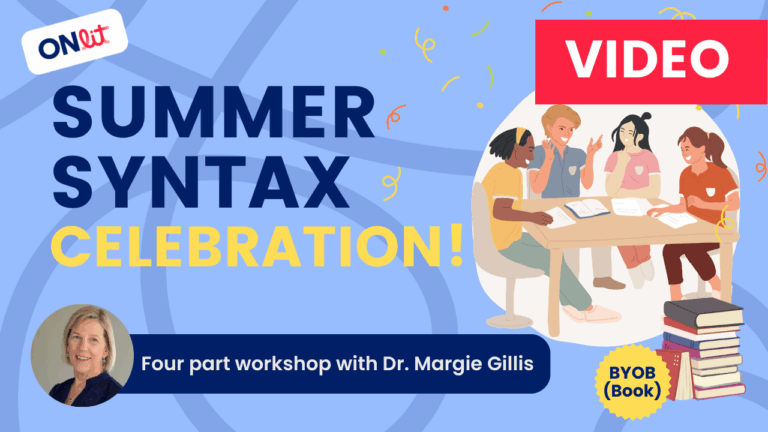
Syntax is often overlooked and misunderstood, but is KEY to reading and writing proficiency! This series presents research on syntax and explains its critical role in comprehending complex text, reading fluency, and writing coherent sentences. Armed with this understanding, educators learned how to teach their students the functions of sentence parts—words, phrases, and clauses—in order…
“Primary” in the UK corresponds approximately to K-6 in Ontario, and Junior teachers may especially appreciate chapters on Extended Reading, Close Reading and Fluency Reading routines in the classroom. School leaders will also benefit from tips on broader implementation of an evidence-based approach to reading.
Printing Like a Pro was developed by Sunny Hill Health Centre out of British Columbia. Printing Like a Pro! is a cognitive approach to teaching printing to primary school-age children, at home and in the classroom. The website includes free, downloadable resources and printable worksheets.

This series of videos was developed by Dr. Robert Savage from York University. The video series unpacks elements of Strand B of the revised Language Curriculum, building educator knowledge. Stay tuned for more videos to come!
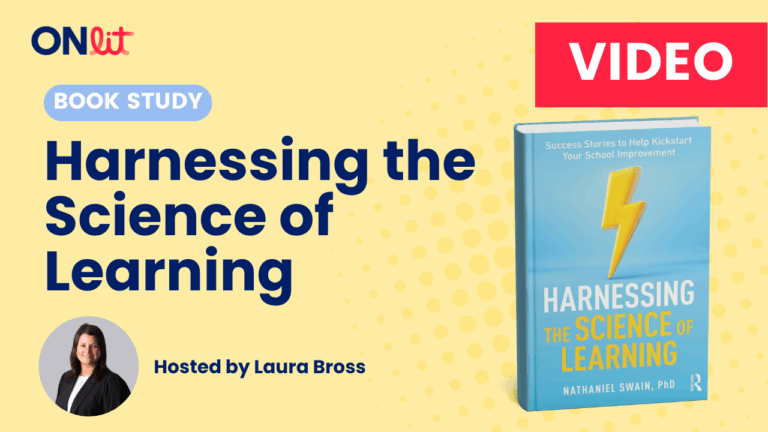
Catch up with the recordings from our 6-part book study on Harnessing the Science of Learning: Success Stories to Help Kickstart Your School Improvement by Dr. Nathanial Swain. This series is designed to bring together the world of classroom practice, school leadership, and scientific research in an enthusiastic and uplifting atmosphere. Throughout the series, host Laura Bross,…

This series is designed to be: a launching point for anyone in education a group of simple visuals or one-page summaries to get learning started not an exhaustive or absolute collection. We must be prepared for and willing to embrace new learning as the research evolves.
The Building Competent and Engaged Readers in French Immersion resource presents educators with supports to provide an equitable, inclusive, responsive and comprehensive literacy program, based on the Science of Reading, that utilizes assessments and instructional practices to ensure every student has the fundamental right to learn to read. This resource includes planning for literacy instruction…
With chapters covering the science of reading, effective literacy teaching (as well as mathematics), cognitive load theory, and knowledge-rich curricula, this book can inform and inspire all educators, and with its focus on improving instruction at the school level, it’s particularly valuable for school and system leaders with decision-making responsibilities.